
Choosing between a ductless mini split system and a central air conditioning system depends on your home layout, budget, and comfort needs. Both options can cool your home effectively, but they work in very different ways.
What Is a Central AC System?
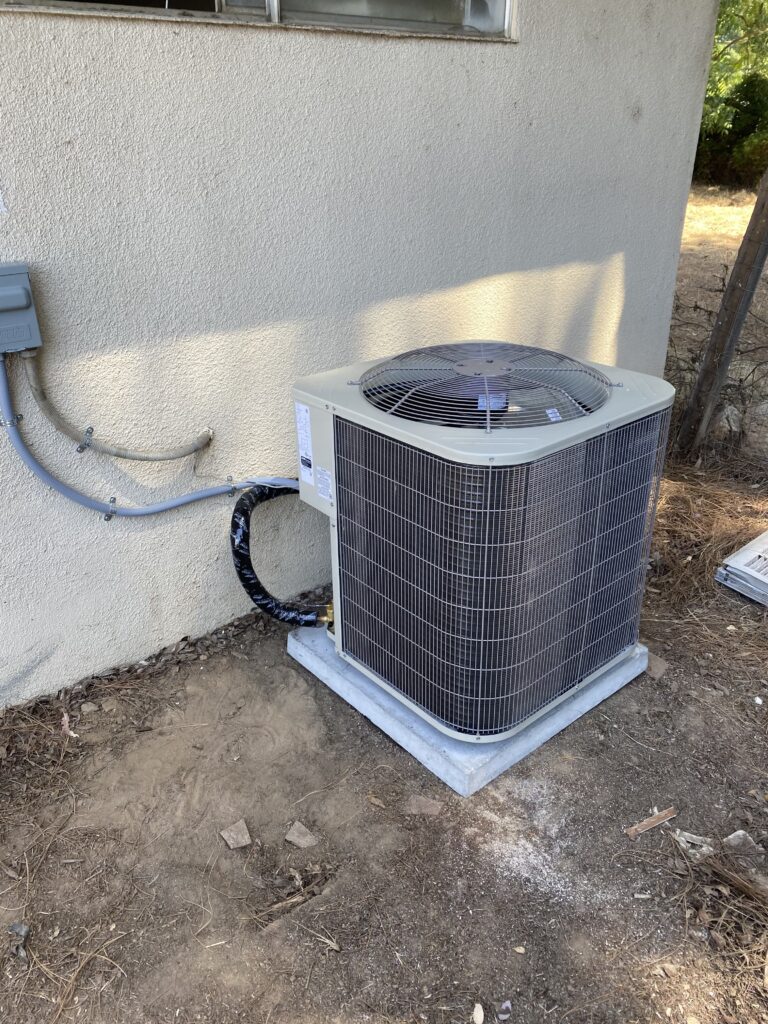
A central AC system cools your entire home through a network of ducts. One outdoor unit works with an indoor unit to distribute cool air evenly to every room.
Best for:
- Homes with existing ductwork
- Whole-home cooling
- Larger properties
Pros:
- Even cooling throughout the home
- Hidden indoor components
- Can work with heating systems (furnace + AC combo)
Cons:
- Higher energy loss through ducts
- Expensive if ductwork needs repairs or replacement
- Less control over individual rooms
What Is a Ductless Mini Split System?
A ductless mini split system uses individual indoor air handlers connected to an outdoor unit. Each indoor unit controls the temperature of a specific room or zone.
Best for:
- Homes without ductwork
- Room additions or renovations
- Zoned temperature control
Pros:
- High energy efficiency
- Independent room control
- Easier and faster installation
- No duct losses
Cons:
- Higher upfront cost per zone
- Indoor units are visible on walls or ceilings
- Not ideal for very large homes if many zones are needed
Key Differences
- Central AC cools the whole home through ducts
- Mini splits cool specific rooms or zones independently
- Mini splits are generally more energy efficient
- Central AC offers a more traditional whole-home solution
Which One Should You Choose?
Choose central AC if you already have ductwork and want consistent whole-home cooling.
Choose ductless mini splits if you want zoned comfort, higher efficiency, or don’t have existing ducts.
Final Thoughts
Both systems are excellent options depending on your home’s needs. The right choice comes down to comfort preferences, installation conditions, and long-term energy savings.